
Beyond The Mark Steyn Show:
Columns, poems, tales, music, movies and more from Mark and friends
Rick's Flicks
What Do You Got? The Wild One, The Loveless and the Biker Movie

On the fourth of July weekend in 1947, a group of bikers rode into a small California town and, depending on who you believe, either had a great party or went on an orgy of destruction. This single incident – now famous as the Hollister Invasion or the Hollister Riot – created both the abiding myth of the outlaw biker and the renegade bike gang, and inspired the movie that provided the template for every other biker movie to follow. The occasion was the first major bike rally held by the American Motorcycle Association in California since before World War Two, and while attendance was expected to be high, nobody anticipated what would really happen. Hollister – about two hundred miles south of San Francisco and inland from Monterey and ...
Laura's Links
Graduating from HamasU

Greetings one and all and welcome to the Passover 2024 edition of Laura's Links. After many hours of toil, the Cohen household was Kosher for Passover on Sunday last week, just in time to cook up a storm for the Seder that we hosted. The story of the Exodus was told, all the songs and psalms were sung. The festive meal was eaten and it was just tremendous to have a house full of light and (almost all of) the people that I love the most. Subsequent intermediary days of the holiday have been quite nice as well, although it has been a little nippy outside for my taste, given that it's almost May! GAH! I was offline for the actual holiday days: no phone, electronics etc. But once I fired up the computer, I was very interested to get caught up ...
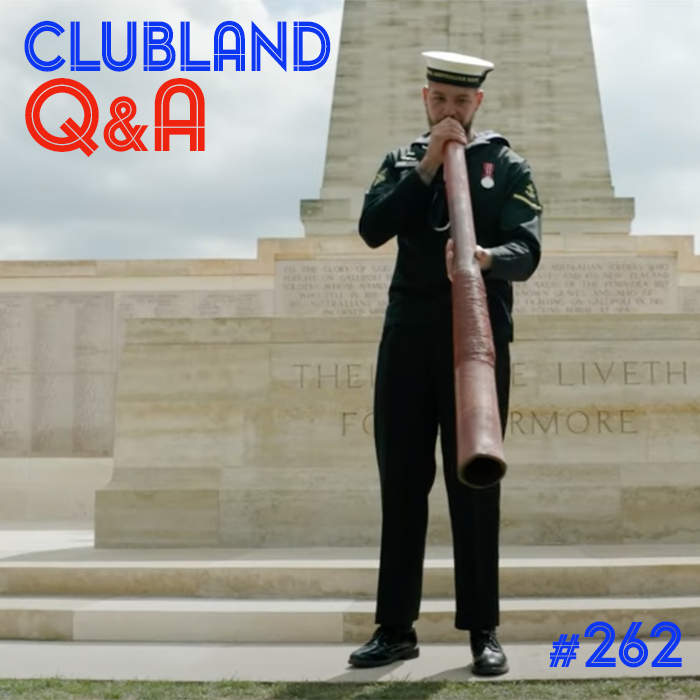
Clubland Q&A
Live Around the Planet: Wednesday April 24th

Mark takes questions from Steyn Club members around the world...


Steyn's Song of the Week
The Days of Wine and Roses
Mark celebrates the centenary of Henry Mancini...
Rick's Flicks
Island in the Sun: Pietro Germi's Seduced and Abandoned
Rick McGinnis on a 1964 Italian comedy...

The Mark Steyn Audio Show
Muscle from Brussels
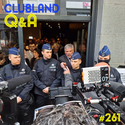
Mark answers questions on many topics, from a Belgian mayor's assault on free speech to jury selection in New York and Washington...
Politics & Current Affairs
The Habits of Liberty

Steyn is interviewed by Frank Haviland of The New Conservative...
The War on Free Speech
Getting the Message

Steyn files three new motions in the DC Superior Court...

A Clubman's Notes
"Such Terror as Shall Shake the British Empire..."
Programming note: Please join us this Sunday at SteynOnline for some special musical programming. ~Just ahead of Episode Eight of our current Tale for Our Time, a word from your host: As I predicted three-and-a-half years ago, just ahead of America's laughably misnamed "election", things are cratering very fast on the free-speech front - in Scotland, Ireland, Canada and, most of all, in America. In such a world, I thank all of you who keep this l'il ol' website and its various activities part of your daily rounds. I so miss the Internet of yore and the heyday of independent bloggers in the early years of this century - before the woketalitarians seized control and tightened the screws, in new media and old. I have spent much of the last ...
A Clubman's Notes
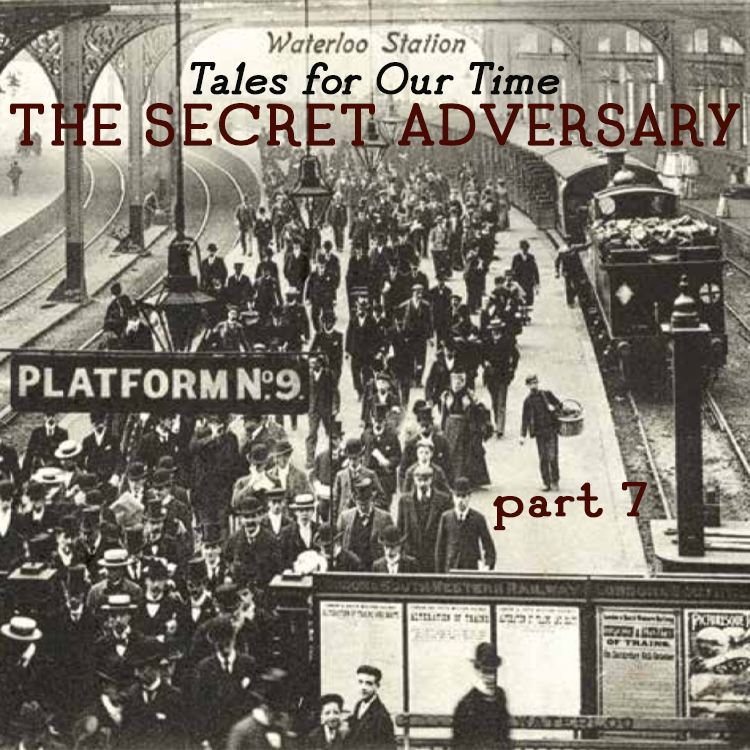
The Waterloo Hustle
Part Seven of Steyn's latest Tale for Our Time: The Secret Adversary, with Agatha Christie venturing from country-house murders at St Mary Mead into the high stakes of post-Great War politics...
A Clubman's Notes
Weak and Shifty at the Corner House
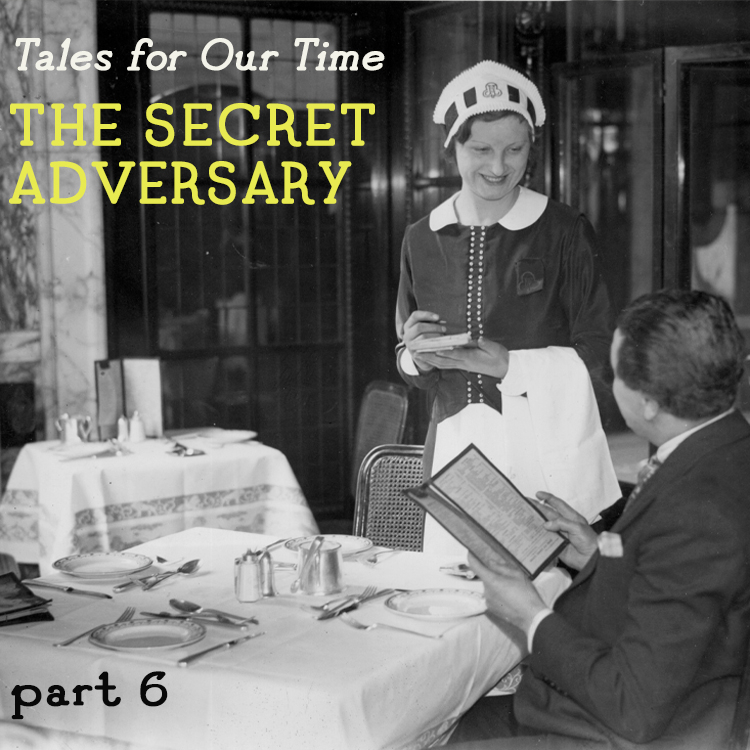
Part Six of our nightly audio entertainment - The Secret Adversary, an early Agatha Christie caper of Tommy & Tuppence attempting to scuttle coup-fomenting Bolshevists on the mean streets of London...
A Clubman's Notes
Sure Thing at the Ritz
Part Five of a rather English adventure: an Agatha Christie caper set amidst Bolshevist plots on the streets of London - The Secret Adversary...
A Clubman's Notes
The Oilskin Packet
Part Four of our latest audio diversion: The Secret Adversary - Agatha Christie's 1922 caper set in a London seething with Bolshevists and labour unrest...
A Clubman's Notes
The Grill Room Awaits
Welcome to Episode Three of Agatha Christie's tale of Bolshevist revolution looming on the streets of London...
A Clubman's Notes
Through an Estonian Glass Darkly
Welcome to Part Two of The Secret Adversary by Agatha Christie, our latest audio adventure in Tales for Our Time and set amidst Bolshevik intrigue on the streets of London...
A Clubman's Notes
The Young Adventurers, Ltd
Welcome to the sixty-second audio adventure in our series Tales for Our Time - and our second venture into the work of the world's bestselling author, Agatha Christie...

Tales for Our Time
The Prisoner of Windsor

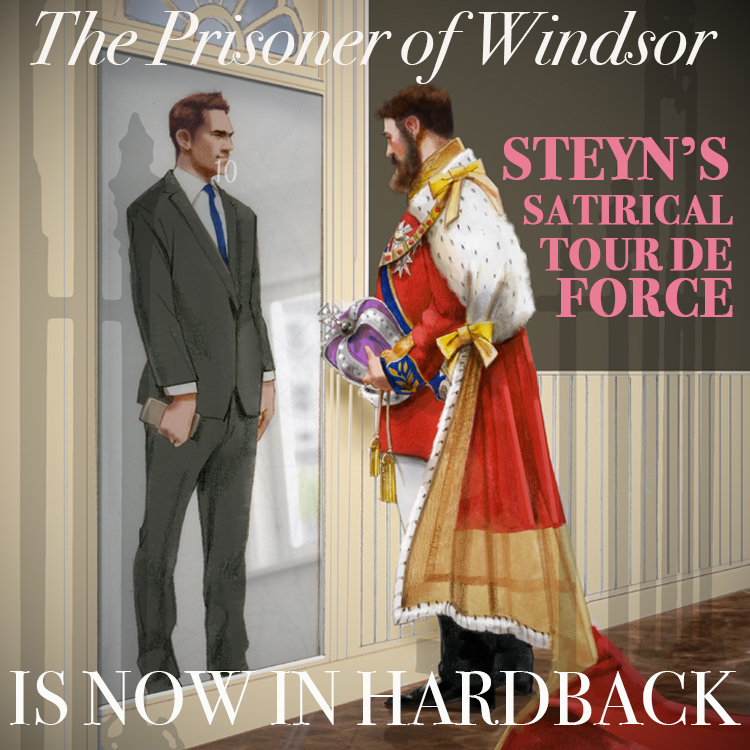
A remote fantastical kingdom far from Europe's chancelleries of power... An unpopular monarch on the eve of his coronation... A ruling class of plotters and would-be usurpers... ...and a gentleman adventurer on holiday. No, not Ruritania in the nineteenth century, but the United Kingdom in the twenty-first...
A Clubman's Notes
After the Match
Tales for Our Time returns with a Steyn take on an H G Wells theme...







© 2024 Mark Steyn Enterprises (US) Inc. All rights reserved.
No part of this website or any of its contents may be reproduced, copied, modified or adapted, without the prior written consent of Mark Steyn Enterprises.